
From Chaos to Connection: A Strategic Guide to Mastering Your Next Conference
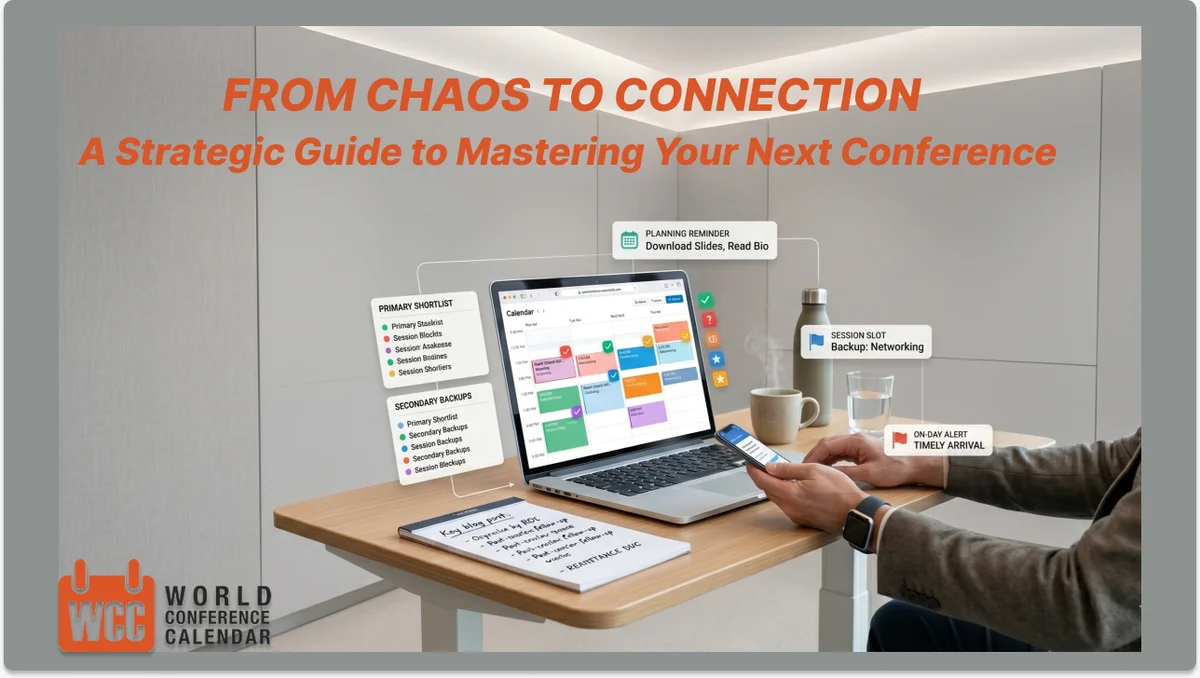
Attending a major industry event can often feel like trying to drink from a firehose, where the sheer volume of sessions and networking opportunities threatens to overshadow the actual value of being there. To truly move the needle on your professional goals, you need to transition from a passive attendee to a strategic participant who values intent over itinerary. By implementing a system of curated shortlists, proactive digital reminders, and meaningful community engagement, you can transform a chaotic conference schedule into a streamlined roadmap for growth. This guide outlines how to leverage organizational tools and online interaction to ensure that every keynote, workshop, and connection translates into a lasting, actionable outcome.
How To Maximize Your Conference Experience
Prioritize the sessions, speakers, and networking opportunities that align with your goals, then use tools to keep those choices organized and actionable. Clear shortlists and reliable reminders turn a crowded schedule into focused progress.
Creating Personalized Event Shortlists
Use the calendar’s filters to narrow events by topic, date, location, and audience. Save a primary shortlist of 6–8 must-attend sessions and a secondary shortlist of 4–6 backup events in case of conflicts or last-minute changes.
Capture why each session matters next to its entry—note the specific skill, contact, or insight you expect to gain. That makes it easier to choose between overlapping talks and to set concrete objectives, like “ask one question about X” or “collect three vendor contacts.”
Organize shortlists by format (keynote, workshop, panel) and by ROI (learning, networking, business development). Export or sync these shortlists to your calendar app so you see them alongside travel and meetings.
Setting Reminders and Notifications
Choose two reminder types: a planning reminder (48–72 hours before) and an on-the-day alert (30–60 minutes before). The planning reminder prompts pre-session prep—download slides, read speaker bios, list questions—while the on-the-day alert ensures timely arrival and device readiness.
Use the website’s built-in notification settings or integrate with Google Calendar, iCal, or your phone’s reminder app. For hybrid or virtual sessions, add a location or link field to each reminder so you join the correct room or stream instantly.
Set a post-session follow-up reminder (1–3 days after) to act on takeaways: send connection requests, summarize notes, or draft an action item. Consistent reminders convert single-session learning into concrete outcomes.
Engaging with the Conference Community Online
Create connections that help you find the right events, speakers, and practical takeaways. Focus on timely, specific contributions that add value and invite follow-up.
Commenting and Blog Participation
When you comment on conference listings or blog posts, aim for specifics: mention the session title, speaker, date, or a takeaway you want clarified. For example, reference “Day 2 panel on AI ethics, 3:15 PM” rather than saying “that panel.” This makes your comment actionable and more likely to get a reply.
Ask one clear question or offer one concrete insight per comment to keep threads readable. Use respectful tone and cite any resources or speakers you reference. If you correct factual points, link to a source and explain briefly to avoid sounding confrontational.
Engage regularly but selectively. Prioritize posts about conferences you plan to attend, sessions you’ll present at, or events in your field. Track replies with notifications or a simple spreadsheet so you can follow up and convert online exchanges into real connections.
Sharing Experiences and Reviews
Write short, structured reviews after attending a conference to help others assess value quickly. Use a consistent format like: Event name, date, what worked (2–3 bullets), what could improve (2 bullets), and one practical tip. This format makes your review scannable and useful.
Be honest and specific about logistics: registration clarity, venue accessibility, virtual platform stability, and session pacing. Include concrete examples, such as “Wi‑Fi dropped during the keynote” or “networking app scheduled 10-minute one‑on‑ones that felt rushed.” These details matter more than general praise.
When posting photos, session notes, or slide snippets, respect speaker copyright and conference policies. Tag speakers and the event handle to increase visibility and foster dialogue. Encourage others to add their perspectives by ending with a prompt like, “Did you find the workshop on data governance practical?”